
Working Toward a Safe Climate
Webinar Wednesday, Oct 14th. Marine carbon dioxide removal and an update on measurement technology from DeepGreen Solutions. [recording available here]
Restoring pre-industrial CO₂ levels by maximizing nature’s most powerful carbon dioxide removal (CDR) process, starting with carbon dioxide measurement.

An approach whose time has come
Ending the climate crisis requires safe, affordable, and scalable solutions. To succeed, the world needs to reduce atmospheric carbon dioxide (CO₂) from today's 420+ parts per million (ppm) using every available safe method.
This requires pulling aproximately 1 trillion tons of excess CO₂ out of the atmosphere (1,000 gigatons).

CORE TECHNOLOGY
Marine Carbon Dioxide Removal (mCDR)
We focus on a little researched mCDR approach that appears to be able to contribute substantially to ending the climate crisis: boosting healthy photosynthesis in the ocean.
The Iron Deficit
Much of the ocean lacks iron. When iron-rich dust blows out to sea, furnishing a bit of iron in the right places, phytoplankton grow quickly.
Massive Carbon Capture
These microscopic plants capture vast amounts of CO₂ through photosynthesis at a fraction of the cost of mechanical CDR methods.
Ecosystem Benefits
Phytoplankton form the marine food web foundation. Phytoplankton-based CDR not only pulls down CO₂, but counters ocean acidification and enhances fishery production.
What we’re up to now
We have developed efficient, accurate, and low-cost measurement technology to keep the process substantially less expensive than other forms of CDR.
Planning a project to demonstrate the technology… and provide the basis for scaling up CDR
And seeking funding to make this all possible.
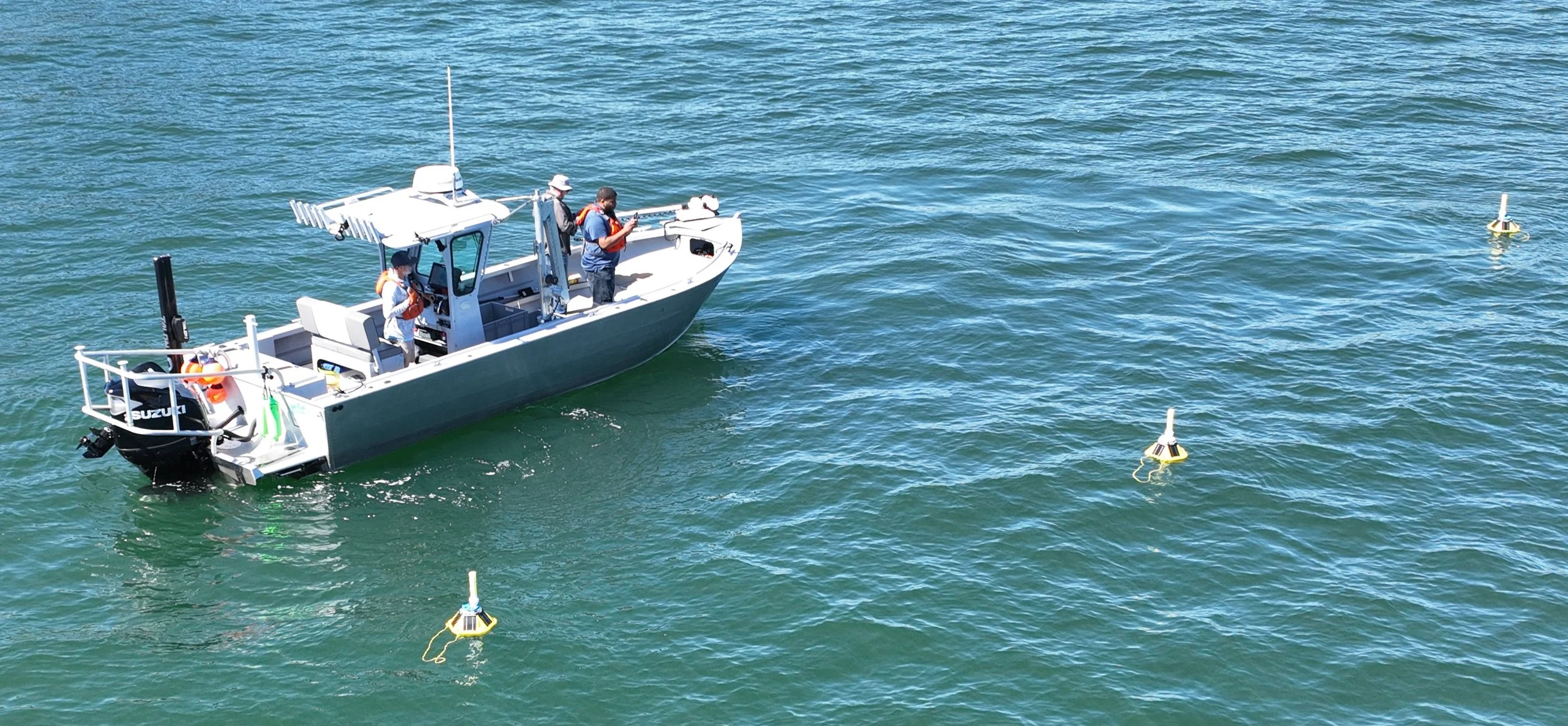
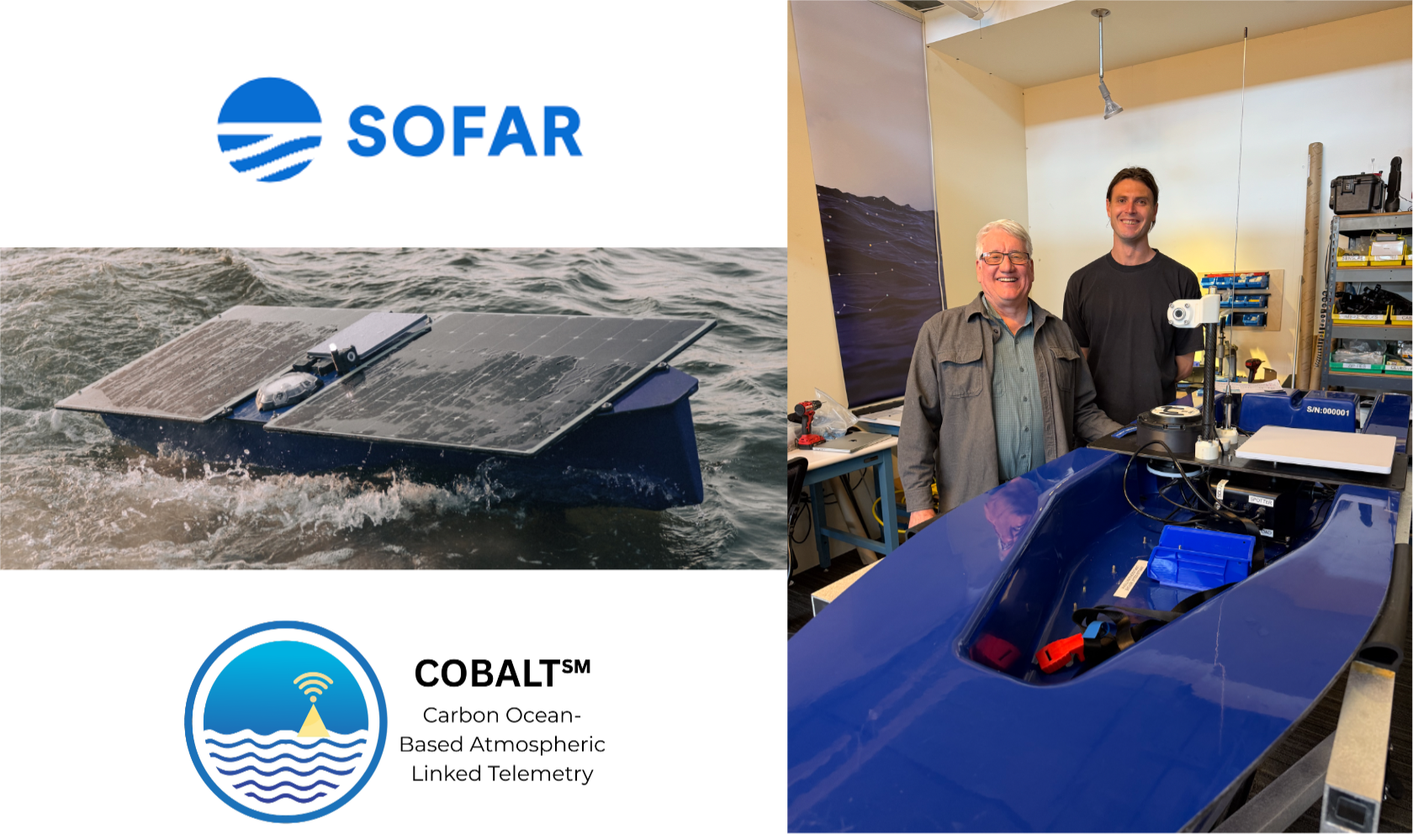
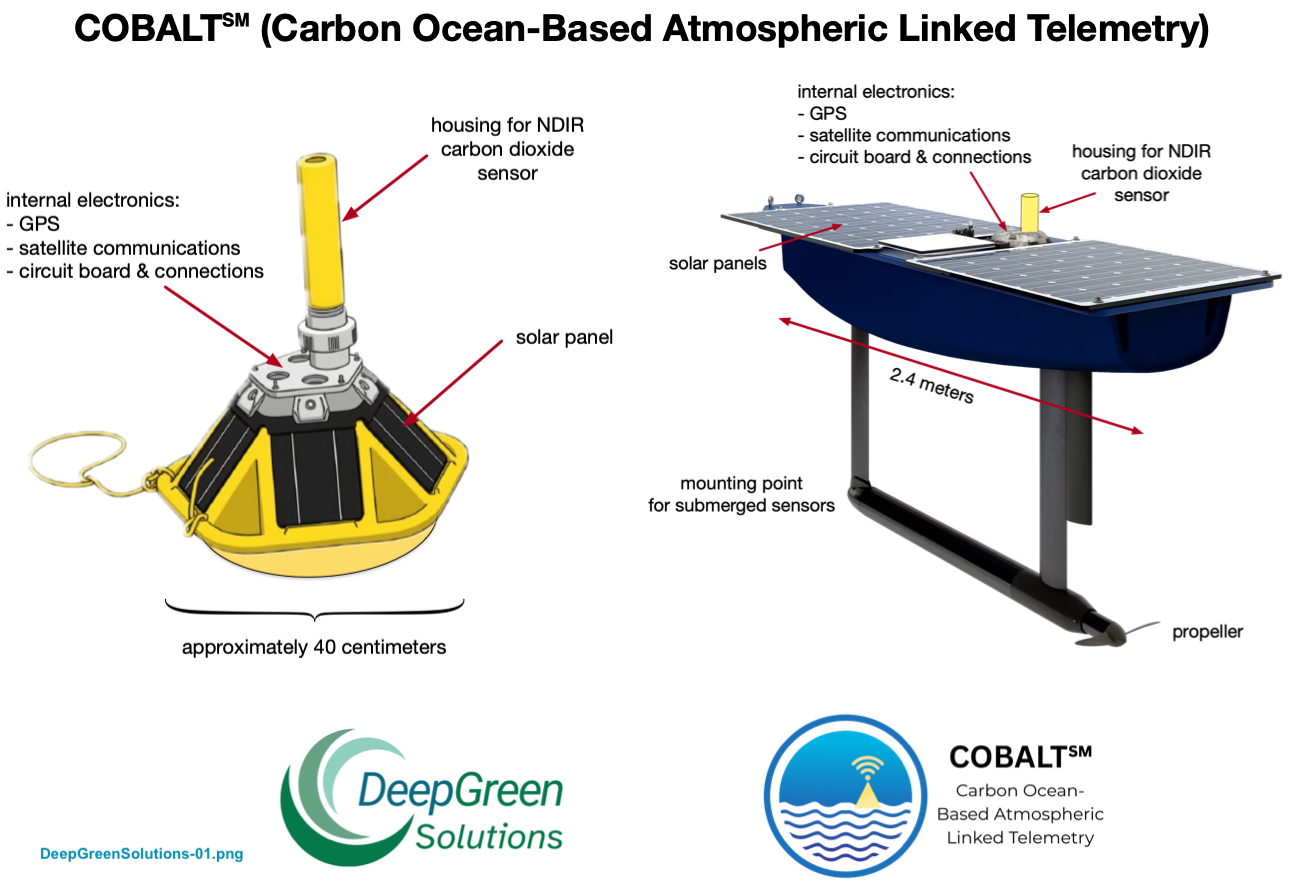
DeepGreen Solutions is proud to be collaborating with the Sofar Ocean team on their new Spotter Scout autonomous surface vessel. Together, we’re integrating DeepGreen’s CO₂ sensor assembly into an approximately 8-foot, ocean-going, solar-powered, self-steering platform designed for persistent, autonomous monitoring at sea.
Spotter Scout combines radio control with satellite data reporting, enabling reliable, real-time access to ocean measurements from virtually anywhere.
By adding high-quality CO₂ sensing from DeepGreen Solutions, this platform can help advance understanding of carbon dynamics in our oceans and support marine carbon dioxide removal projects.
Learn more about the Spotter Scout platform here: https://www.sofarocean.com/posts/webinar-first-look-spotter-usv
Field trials
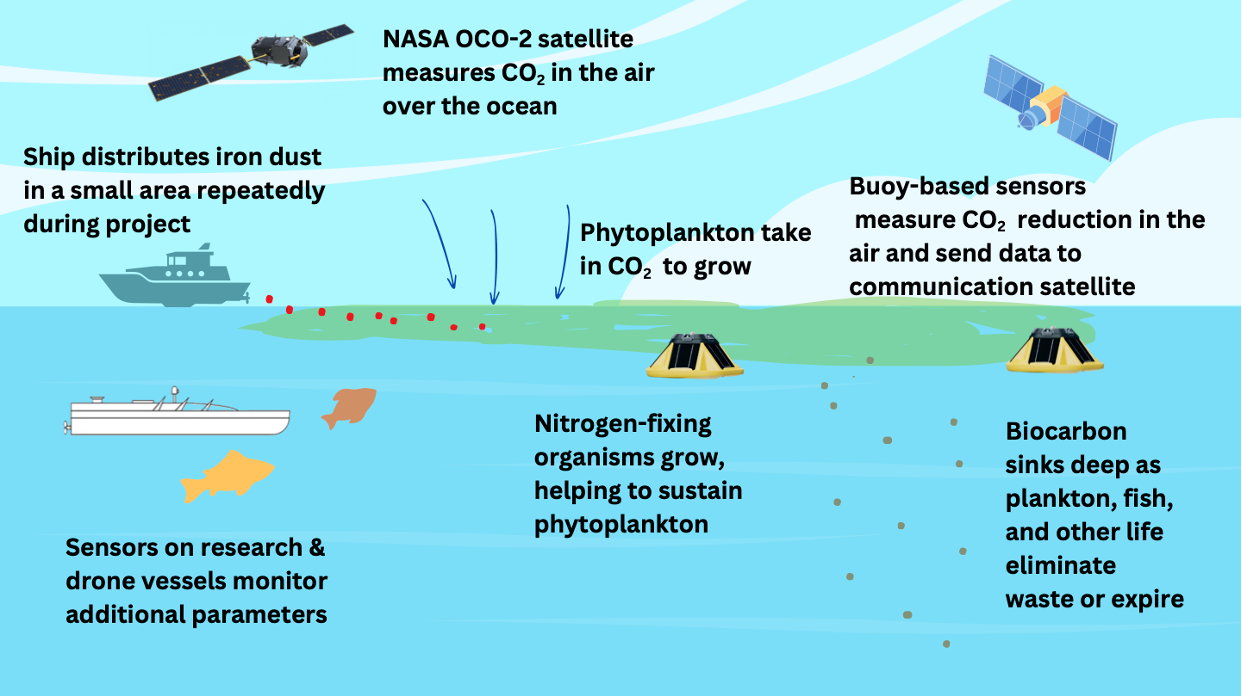
Distributing iron in small areas of the deep ocean has been shown to promote phytoplankton growth.
We plan further field trials to gather more data on the effectiveness and safety of the method.
DeepGreen Solutions activities.
Learn More
Article in Ocean News & Technology, “Air Sensor Data for Climate Restoration”
New Ocean Visions Report: Can Phytoplankton Help Close the Carbon Dioxide Removal Gap?
The case for ocean iron fertilization field trials (journal article)

Collaboration
DeepGreen Solutions is achieving its goals with a bit of help from its friends. Check out some of these organizations.



More coming soon…
Meet the Team
-

Thanh Huynh
Chief Executive Officer
Thanh is passionate about restoring the Earth's climate for humanity to thrive for generations to come. As Vice President of Strategy & BizOps at OPRWorld, Inc., he developed OIF projects worldwide, arranged strategic partnerships, and guided business and financial planning.
Thanh has worked as a high-tech product leader, driving products from concept to release. He also provides executive, leadership, and performance coaching and consulting.
-

David Snyder, MBA, PE, CISSP
Chief Operations Officer
David Snyder is a California-registered Civil Engineer (PE) and IEEE Senior Member.
As an environmental engineer, he conducted site selection and environmental impact studies for energy facilities and the investigation and remediation of soil and groundwater contamination at industrial sites.
-

Alan Burnham, PhD
Chief Science Officer
With a doctorate in Physical Chemistry, Alan has spent most of his career at Lawrence Livermore National Laboratory, working on and leading energy and national security projects.
He has published roughly 300 scientific papers and is on the editorial board of two journals.
-
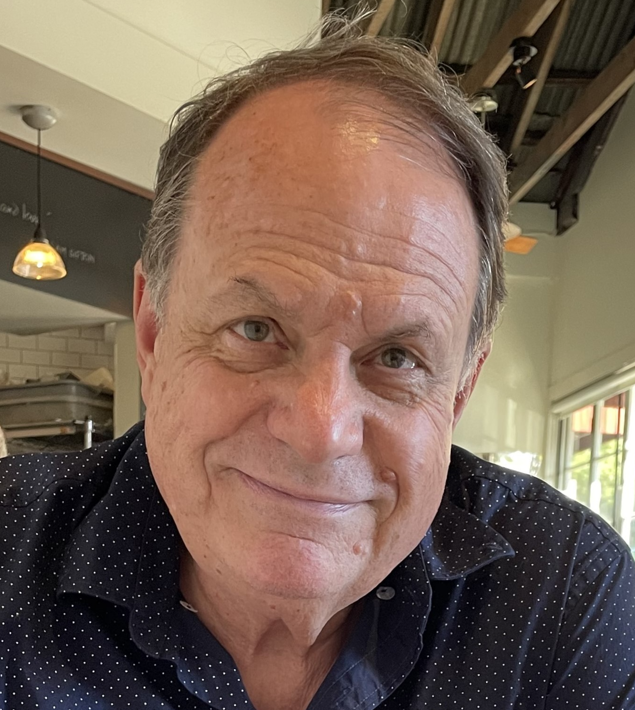
Joe Brabec
Chief Technology Officer
As an electrical engineer, Joe designed, built, and programmed embedded systems in a wide range of industries for five decades.
Recently he retired as Chief Engineer and CTO of Topcon Corporation, where he earned 39 patents and developed many World's First™ technologies.
-

Marcus Cooper
Chief of Staff
Navy officer, flight controller and political campaign manager, Marcus is a pro in logistics, management, and contract fulfillment.
When not working on DeepGreen, he is designing innovative, AI translation and transcription services.
-

Carole Douglis
Chief Communications Officer
Carole is an award-winning journalist specializing in climate and environment. She has written for major magazines, NatGeo, UN Environment Programme, and research institutes around the world.
Involved in climate restoration since 2019, Carole co-authored the field’s foundational book and papers with Peter Fiekowksy.
Want to help restore a safe climate?
Let’s see how we might work together!